


Canada Manitoba Caribou Hunting Lodge
 Far northern Manitoba is one of those places hunters talk about for a reason. You’re here for the Qamanirjuaq barren-ground caribou herd—recent surveys estimate it at over 250,000 animals, the largest barren-ground herd in Canada. And you’re doing it from something that’s genuinely rare up here: a Manitoba caribou hunting lodge for barren-ground caribou, not a tent camp.
That matters the first time the weather turns. Northern Manitoba can be unpredictable—wind, cold rain, sudden swings—and coming home to a real lodge changes the entire hunt. You can warm up, take a hot shower, dry your gear, eat well, and sleep hard… then do it again the next day.
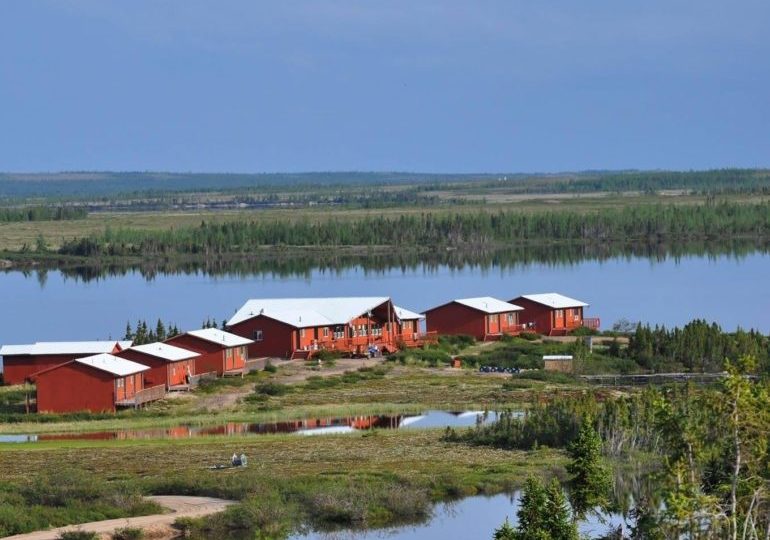
This outfitter has held exclusive hunting rights in the area and has been operating here since 1991. It’s the only full-service lodge located on the annual migration route of this herd, with just eight hunters per week during the September season and an optional two-bull opportunity. You can hunt with a rifle, muzzleloader, or bow on a spot-and-stalk style hunt, and you’ll come back each evening to a 3,000 sq ft main lodge and detached cedar cabins with private-bath suites and thermostat-controlled heat.
On our checkout trip, we were impressed with both the staff and the way the hunt is run. A high-success barren-ground caribou hunt from a lodge—rather than living in a tent all week—is a real find.
Plan your hunt with Family Expeditions, and we’ll handle the details.
If you are comparing Canadian caribou hunts, we also offer Newfoundland caribou hunting and moose hunting and Canada Arctic big game hunting for hunters looking at other regions.
Accommodations & Meals
The Main Lodge
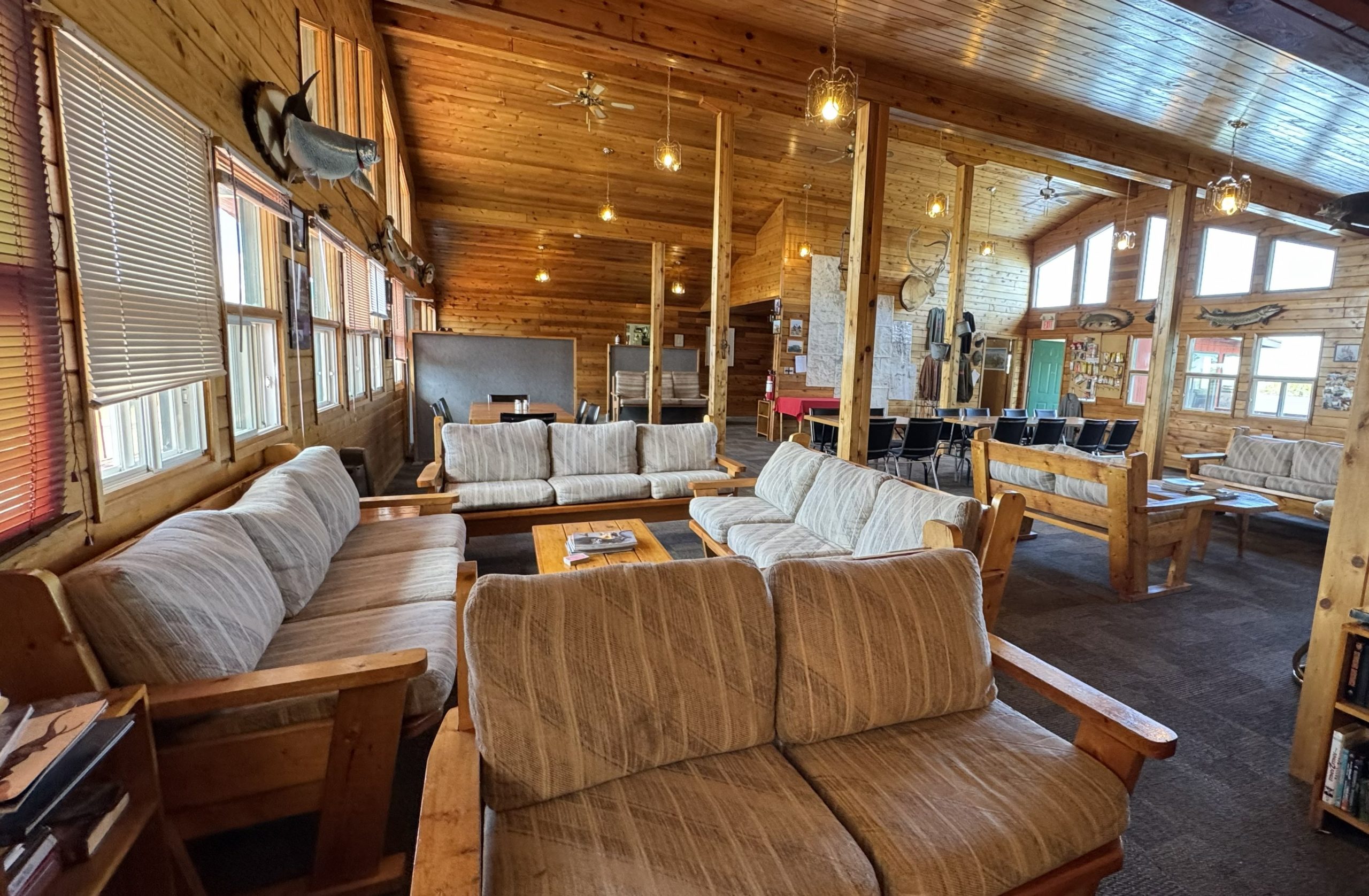
The lodge sits on the end of a glacial sand esker and is roughly 3,000 square feet—vaulted ceilings, big windows, and views of the lake on both sides. It’s the natural gathering spot after hunting: a bar, dining area, and a big-screen sitting room where stories get better with every retelling.
Cabins & Suites
Sleeping quarters are in detached cabins finished in natural cedar. Each cabin has three carpeted suites, and every suite has a private bath and thermostatically controlled electric heat. If you’ve ever hunted in cold rain, you already know why this matters: you can get warm, get dry, and actually rest.
Dining
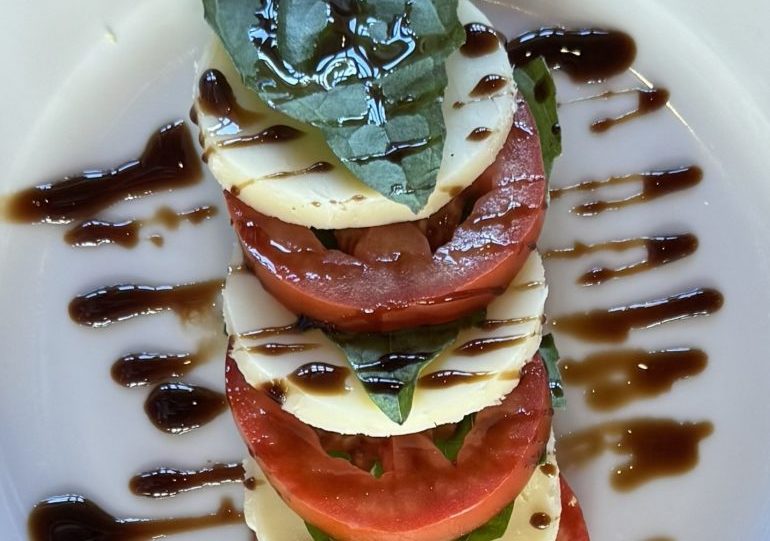
Meals are hearty and satisfying—exactly what you want after a full day outside. Breakfasts are generous (eggs, meats, pancakes or French toast, fruit, cereals, yogurt, bagels). Dinners bring variety—salads, soups, prime cuts of AAA beef, lamb, pork, plus seafood, chicken, and pasta options—finished with homemade breads and desserts.
Entertainment
When you come in from the field and the gear is drying, you’ll usually find someone starting a dart game or dealing cards. The lodge has board games, poker chips, crib boards, backgammon, and plenty of ways to unwind with your group.
Fishing
Fishing is a great “bonus chapter” to this trip—especially if you tag out early or you simply want to enjoy where you are.
September can be excellent for trophy Northern Pike, Lake Trout, and Arctic Grayling. A lot of hunters come for caribou and end up talking about the fishing just as much on the ride home.
Hunting
The Caribou Hunt
Season: September
The lodge runs hunts during the first three weeks of September. Early in the month, bulls may still be in velvet. By the second week, most have stripped and polished their antlers. As September progresses, manes grow fuller, and some bulls turn nearly white—this is when they look truly magnificent.
The Hunt Style: Spot-and-Stalk by Boat
This country is built for glassing. The lakes and rivers connect and offer hundreds of miles of shoreline, and guides use boats to move between areas in search of trophy bulls. From time to time, you’ll beach the boat, hike up onto higher ground, and glass miles of tundra. The terrain is rolling—not extreme—and boats make the hunt flexible and efficient.
The tundra isn’t “barren” the way people imagine. There’s usable cover: pockets of spruce, dwarf birch, rock outcroppings, ridges, and natural folds that help you close the distance.
Fit for Different Physical Abilities
This is one of the most adaptable caribou hunts we offer. If hiking is limited, you can hunt closer to shore and use the boats more. If you’re in strong shape and want to be aggressive, you’ll have more options—especially when the herd is spread out.
Bow Hunting
Successful bowhunting here is realistic, but can be a challenge. You might get lucky with a group walking by. More often, you’ll spot, plan your approach, and use the available cover to get into position.
Wind is a factor, and shots can be longer than many bowhunters expect. If you’re bringing a bow, we want you comfortable at distance: 60+ yards is ideal, and 50 yards is a minimum. Practice before you arrive.
Be Prepared
Caribou hunting is unpredictable. One week, the migration pushes right through camp. The next, you’re working miles up or down the river system to find the right bulls.
The weather is just as changeable—think Alaska-style swings. You could hunt all day in pouring rain with 30–40 mph winds and temperatures in the 30s–40s, and then wake up to a calm, sunny day in the 70s. If you come mentally ready for “all of it,” you’ll enjoy the trip more—and you’ll hunt better.
Activities
The main “activity” beyond hunting is fishing—Northern Pike, Lake Trout, and Arctic Grayling are all on the menu in September.
This is also a trip where down time feels earned: a drink in the lodge, a warm meal, a good sleep, and the kind of quiet you only get in fly-in country.
Length of Stay / Itinerary
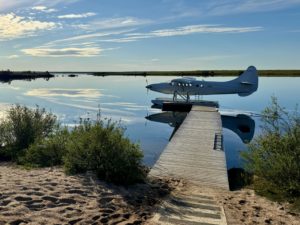 BE PREPARED FOR WEATHER DELAYS AND CHANGES IN ITINERARY!
This is a 7-day trip with 5 full hunting days, plus travel days on each end.
Typical flow:
- Day 1: Travel to Winnipeg, then on to Thompson. Overnight in a hotel.
- Day 2: Morning charter flight to the lodge (weather permitting). If flights cooperate, you may get an extra afternoon hunt.
- Days 3–7: Hunt.
- Day 8: Return to Thompson by late morning (weather permitting) and connect onward that afternoon.
- Day 9: Travel home.
We’ll help you choose flights with a buffer because weather can shift things.
Travel Details & Location
You’ll fly into Winnipeg (James Armstrong Richardson International Airport), then connect to Thompson. You arrive in Thompson the day before the hunt and overnight at a designated hotel before taking a charter flight to the lodge.
A lodge representative will meet you in Thompson, transfer you to the hotel, and get you back to the airport the next morning.
Charter flights typically depart around 7:00 AM (weather permitting) for roughly a 1-hour 30-minute flight to the lodge. On departure day, the plan is to be back in Thompson by about 11:00 AM, but we recommend booking your Thompson-to-Winnipeg flight for mid-to-late afternoon to allow for weather.
Internet & Communications
Starlink internet is available at the lodge. A satellite phone is also available if staying connected is a must.
Rates
2026 Pricing: Subject to change
$17,995 per hunter with opportunity for 2 bulls and one arctic wolf
Trip Insurance & Cancellation Info
Trip insurance is highly recommended to protect your investment on this trip. We will assist you with trip insurance upon booking. See links at the bottom of this page for the two providers we suggest for our clients.
Family Expeditions, LLC confirmation and refund policy:
If your trip is more than 90 days out from the date of departure, a 50% non-refundable deposit confirms your reservation and must be received within 10 days of booking to confirm your dates. All trips must be paid in full at least 90 days prior to the departure date. If your trip date is within 90 days, FULL payment for the trip is required. All payments to Family Expeditions are non-refundable. Should you need to reschedule or cancel your trip, we will do everything in our power to assist you in finding a suitable substitute or transferring your dates per the lodge/providers/government requirements. Trip insurance protects your investment!
FAQ
When is the season for this Manitoba barren-ground caribou hunt?
This Manitoba caribou hunt runs in September, with three hunt weeks in the first three weeks of the month. Early September can still have velvet bulls; by mid-September most bulls have stripped and polished, and later in the month manes get fuller, and some turn nearly white.
What makes this a true Manitoba caribou hunting lodge instead of a tent camp?
You hunt remote northern Manitoba, but you come back to a real lodge each night. That means hot showers, a warm place to dry gear, and comfortable sleeping in private-bath suites in detached cabins—comforts you generally won’t have on a tent-based barren-ground hunt.
How do you get to the lodge?
You fly into Winnipeg, then connect to Thompson, and take a charter flight to the lodge the next morning. You overnight in Thompson at a specified hotel, then typically depart around 7:00 AM (weather permitting) for roughly a 1.5-hour charter flight into camp.
How many hunters are in camp each week?
Only 8 hunters per week. That small weekly capacity is part of what makes the experience feel personal and helps keep pressure low.
What is the hunting style—blind hunting or spot-and-stalk?
This is primarily a spot-and-stalk hunt, often using boats to cover country and glass shorelines. The connected lakes and rivers provide long stretches of shoreline, and guides will also beach the boat and hike to higher ground to glass miles of tundra.
Can I hunt with a bow or muzzleloader?
Yes—rifle, muzzleloader, and bow are all good options. Bowhunting can be demanding due to wind and longer shot opportunities; it helps to be comfortable shooting out to 60+ yards, with 50 yards as a minimum.
How physically difficult is this hunt?
It can be tailored to your ability. If hiking is limited, you’ll use the boats more and stay closer to shore. If you’re in strong shape, you’ll have more options to hike and hunt aggressively—especially when caribou are spread out.
What should we expect for weather and bugs in September?
Expect changeable northern weather and plan for black flies. You could see cold rain and strong wind (30s–40s) or sunny days in the 70s. Black flies can be bad in September, so bring head nets and good repellent. Weather can also delay charter flights—this is rare, but it’s possible.